Spoiler-Free (mostly) Literary Reflections from the Desk of Danger Boy’s Creator**
There’s a moment in Let It Die—the sixth book in the Greg Newsome saga—where Greg’s staring down a sniper scope, and I realized something: this guy has come a long way since corporate proxy fights and espresso-fueled boardroom brawls. The dude went from battling corporate raiders to dodging 7.62 rounds in a single series arc.
So I did what any self-aware author with a twisted sense of pride would do: I sat down and compared Let It Die to its predecessor, Toole & Die, and tried to answer the question, “Which Greg Newsome book packs the biggest punch?”
Here’s the rundown. I scored them across eight categories on a 100-point scale. Let’s dig in.
Writing Style
-
Toole & Die is tight, witty, and snappy—like if Aaron Sorkin wrote for a boardroom thriller with mobsters and CIA agents as recurring characters.
-
Let It Die slows down when it needs to, leans into atmosphere, and lets the scenes breathe. It’s richer, more cinematic, and emotionally grounded.
Edge: Let It Die (91 vs 87)
Humor
-
Toole & Die is pure snark gold. Greg’s banter with Izzy, Sharon, and even Emmit Atlas is textbook Danger Boy—smartass with a conscience.
-
Let It Die has humor, but it’s of the gallows variety. Less zingers, more grim grins between firefights.
Edge: Toole & Die (92 vs 84)
Philosophical Depth
-
Toole dips into ethics, power, loyalty. You’ll find enough MBA-boardroom fuel to make a Wharton professor nod approvingly.
-
Let It Die dives deeper. Trauma, identity, loss, revenge, and legacy all simmer below the surface of every decision Greg makes.
Edge: Let It Die (94 vs 85)
Themes
-
In Toole, the theme is chess in a corporate war room. Manipulation and strategy.
-
In Let It Die, it’s personal. Vengeance, grief, and the way violence ripples through the lives of those who survive it.
Edge: Let It Die
Plot
-
Toole & Die is a thriller that keeps you guessing—twists, globe-trotting, and a murder mystery wrapped in a hostile takeover.
-
Let It Die grabs you by the throat from chapter one and doesn’t let go. A sniper attack sets everything in motion, and the stakes only rise.
Edge: Let It Die (92 vs 89)
Drama
-
Toole has romantic tension, career pivots, and some good old-fashioned Italian-American family drama.
-
Let It Die goes full Shakespearean. We’re talking blood, betrayal, and broken people trying to piece themselves together.
Edge: Let It Die (95 vs 86)
Style & Voice
Both are 100% Greg. But Let It Die has a noir polish and emotional edge that gives it the slight advantage.
Edge: Let It Die (90 vs 88)
Overall Score
-
Toole & Die: 88/100
-
Let It Die: 92/100
Final Thoughts
Toole & Die is the book you bring to a cocktail party—smart, funny, charming, just dangerous enough to make things interesting.
Let It Die is the book you read alone at 2 a.m., wondering what choices led you here, and whether you’d take the shot or walk away.
Both belong in your hands (preferably bought, reviewed, and shelved proudly), but if you’re choosing just one to start with?
Bring a helmet. Let It Die doesn’t pull punches.
Want to debate my own rankings? Did I lowball the humor in Let It Die or forget your favorite Toole moment? Drop a comment. Let’s talk Danger Boy.
—Glen
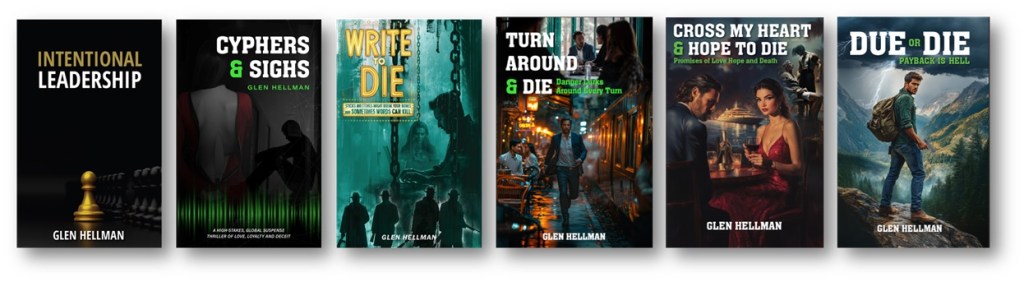
Or, why don’t you get them all here?