

Somewhere between the second novel and the third, I stopped writing about startup BS and started writing about blood.
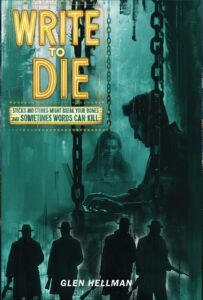
Don’t get me wrong—Write to Die has its fair share of tension, international crime, and Russian mobsters. But at its core, it was still the spiritual sequel to my years as D.C.’s resident crank. The voice was that of a tech blogger—sharp, skeptical, allergic to bullshit. Greg Newsome (our wisecracking protagonist) was basically me with better hair, more bullets, and worse luck.
By the time Turn Around and Die rolled around, the blogger was still in there somewhere—but he’d been tested. He’d loved, he’d lost sleep, and he’d killed a guy or two. The snark remained, but now it came from a place of real stakes, not just sarcasm.
So what changed?
1. The Stakes Got Personal
In Write to Die, Greg is dragged into chaos because he poked the wrong Russian bear with a blog post. He’s curious. He’s morally offended. He’s a little addicted to blowing up frauds with digital dynamite.
By Turn Around and Die, he’s not just reacting. He’s hunting. The nightmares are back. The threats are closer. And he’s got a woman and a ten-year-old in his life—people who’d take a bullet meant for him. That changes how you think. That changes how you write.
The third book is less about discovering evil and more about confronting it—with a gun in one hand and a moral compass in the other.
2. The Humor Grew Teeth
Write to Die is the roast. Turn Around and Die is the black comedy.
The first book has blog-post banter, startup satire, and ridiculous founder archetypes you’d think were made up—except they weren’t. The second book still has laughs (a porn star doppelgänger app pitch, anyone?), but they’re often the only thing standing between Greg and a panic attack. It’s gallows humor. It’s trench humor. It’s the kind of thing you say when you’re in too deep and trying not to lose your mind.
And that’s what makes it funnier, in a way. Because it’s earned.
 3. Philosophy vs. Philosophy in Action
In Write to Die, Greg spends time thinking about truth, deception, purpose, and the circus of Silicon Valley. He writes posts like “Real Entrepreneurs Don’t Need No Stinkin’ Harvard Degree” and rants about “The Uber of Crap You Don’t Need.”
In Turn Around and Die, he doesn’t have time to rant. He’s busy living the consequences. He’s channeling Marcus Aurelius between Zoom calls and assassination plots. The Stoicism isn’t academic—it’s armor.
4. Scale and Scope
Write to Die is a murder mystery tangled in a pitch deck.
Turn Around and Die is a geopolitical thriller disguised as a midlife crisis.
The first book is rooted in the DC tech scene—Bethesda bars, bad VC decks, and shady founders. The third takes you from St. Petersburg to Hanoi to the Vespucci Social Club in Little Italy. It’s global. It’s operatic. And yet, somehow, still intimate.
5. The Author Grew Up (Sort Of)
When I wrote Write to Die, I had something to prove. I wanted to show that a tech blogger with a grudge and a keyboard could take on corruption—and be funny doing it.
By the time I got to Turn Around and Die, I’d let go of proving and focused on storytelling. I trusted my characters. I trusted the pacing. I wasn’t just exposing things—I was exploring them. Violence. Loyalty. Family. What it means to protect something instead of just tear something down.
So where am I now?
Still writing. Still snarking. Still wondering why nobody’s made an HBO show out of this yet.
But also—somewhere between the guy who wrote takedowns for fun and the one writing shootouts with soul—I became a novelist.
Thanks for coming along for the ride.