

 It started with Write to Die
I didn’t set out to reinvent myself between books—but that’s exactly what happened. Cyphers & Sighs was a chessboard thriller: precise, strategic, and cinematic, with characters moving across a global landscape of espionage and corporate ambition. It was a love letter to the spy genre and the tech world, but also a deeply personal exploration of temptation, loyalty, and the choices that define us.
Ryan Harman, the protagonist, is suave, haunted, and sharp as a stiletto—just the kind of guy you want leading a boardroom… or dodging a honeytrap. But under all that polish, Ryan’s story was really about the quiet war between desire and duty. The novel played out like a grandmaster’s match: opening gambits, shifting alliances, and a finale that left readers staring at the board long after the final move. It was my flex—proof I could build a world of danger and deceit and make you feel every heartbeat of it.
Get your copy of Cyphers & Sighs here.
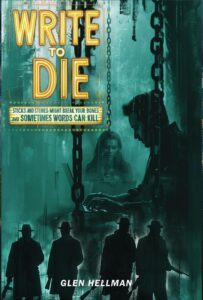 Then came Write to Die.
If Cyphers was the cool, calculated firstborn, Write to Die was the rebellious middle child who knew exactly what it wanted to say—and didn’t give a damn if it hurt your feelings. Greg Newsome, a sardonic blogger with a closet full of demons and a chip on his shoulder, wasn’t crafted to be liked. He was crafted to be real. Where Ryan was all restraint and sharp suits, Greg was French press, sarcasm, and bloodied knuckles.
The second book stripped away the glamour. Gone were the elegant hotels and covert flirtations—replaced with dingy diners, startup scams, and the slow burn of justice meted out by a man who’s been burned one too many times. The humor cut deeper, the writing grew sharper, and the themes matured: redemption, identity, the cost of truth. Write to Die wasn’t just a thriller. It was an exorcism wrapped in a blog post, with a baseball bat in the trunk.
I had grown between books—and it showed. Cyphers & Sighs was a called a strong debut, stylish and smart. But Write to Die was fearless. It didn’t just whisper its truths—it shouted them, grinning through gritted teeth. The prose was tighter, the punches hit harder, and the philosophical undercurrents—about media, masculinity, and morality—ran deeper.
The verdict? Cyphers was a damn good book. Write to Die was a better one. Not because it was more polished—but because it was more Glen. It had that knowing smirk, that raised eyebrow, that willingness to piss people off if it meant telling the truth.
It’s what happens when a writer stops trying to write a “good” book—and instead, writes the book only he can write.
Get your copy of Write to Die here.