

Intentional Leadership
Leaders get the culture we tolerate. What are the steps to create an intentional culture of high performance? The basis of leadership and influencing others depends on the understanding that humans illogically make logical decisions. What hidden forces sabotage competence, intelligence, and character when choosing our leaders? Learn about the real decision maker of the human mind, the reptilian brain, and how to model the behavior to influence the reptilian brain to create loyal, motivated followers.
$11.99
A
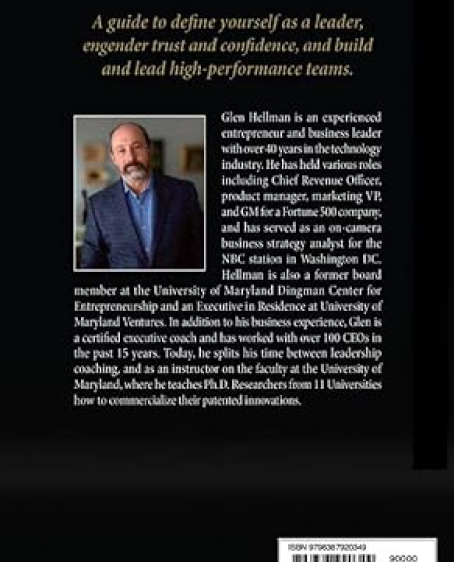
practical guide that equips leaders with the tools to define themselves, build trust, and lead high-performing teams. Drawing on decades of experience as a turnaround CEO and executive coach, Glen Hellman distills leadership principles into actionable steps, combining neuroscience, psychology, and personal anecdotes.
Hellman emphasizes the importance of defining personal values, aligning actions with goals, and fostering a culture of trust. By understanding the interplay between the brain’s three components—the reptilian brain (instinct), the limbic system (emotion), and the neocortex (logic)—leaders can craft communication strategies that resonate with their teams and build lasting loyalty.
Through a mix of storytelling, research, and practical exercises, Hellman provides a roadmap for developing a “Leadership Canvas”—a personalized framework for consistent, values-driven leadership

A
leadership guide titled Intentional Leadership by Glen Hellman. Based on the content provided, here’s a detailed evaluation and rating of the book across several elements, on a scale of 1 to 10
1. Clarity of Concepts (9/10) The book breaks down complex leadership principles into digestible chunks. It uses metaphors, like the chessboard and the crayon box, to make abstract concepts relatable.
2. Practicality (8/10) The inclusion of actionable tools like leadership checklists, situational leadership models, and specific traits offers a hands-on approach for aspiring leaders.
3. Engagement (7/10) While the anecdotes and personal stories add flavor, the content occasionally becomes dense. Greater narrative variety could enhance reader engagement.
4. Use of Research and References (8/10) The book references well-known works, such as Influence by Cialdini and Thinking, Fast and Slow by Kahneman, adding credibility. However, more data-driven examples could strengthen its authority.
5. Writing Style (7/10) The tone is informal and conversational, making the material accessible. However, some sections are repetitive, which might detract from the book’s overall impact.
6. Structure and Organization (9/10) The book is well-structured, with clear sections, chapters, and subheadings. This organization helps readers navigate through its themes efficiently.
7. Depth of Insight (8/10) It offers valuable insights into the neuroscience of leadership and the interplay between character, competence, and intention. However, some discussions remain surface-level.
8. Inspirational Value (7/10) The book’s motivational aspects are strong, but a more compelling call-to-action or unique case studies would elevate its impact.
Overall Rating: 7.9/10
The book provides a solid foundation for understanding intentional leadership but could benefit from more originality and deeper dives into certain concepts.